
The Dancer's Hair Toolkit: Basics To Take You From Studio to Stage
Posted by Angel P. on 3rd Dec 2025
A dancer’s hairstyle is more than just a fashion choice – it’s part of the discipline of dance. Dancers (especially ballet dancers) need clean, secure hairstyles that keep hair out of the face. This allows dancers to focus on movement without distraction and lets teachers see proper alignment and head placement. Whether you or your dancer is taking a first class, performing in a recital, or preparing for a showcase, mastering a few basic hairstyles will make life in the studio much smoother.
Hair Basics for Every Class
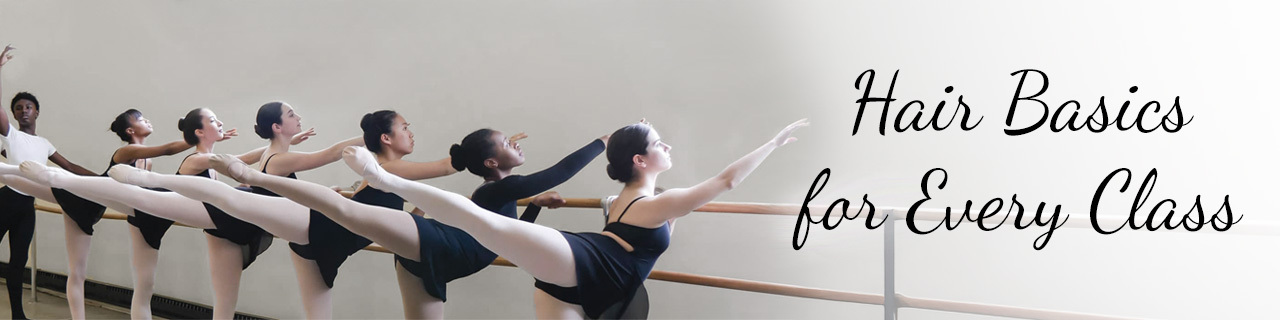
No matter the style of dance, all hair should be pulled neatly away from the face. This prevents distractions, protects vision, and helps teachers see your alignment. Dance is also a performance art, you want the audience to be able to see your face and expression. Practicing emoting in class will give you effortless stage presence when it’s time to perform.
- Ballet: A secure bun is usually required, creating the classic “ballet-ready” silhouette.
- Jazz, Contemporary, Tap, Musical Theatre, Ballroom, etc.: Hair should still be secure and out of the face, but a ponytail, braid, or similar style is generally sufficient.
Tip for Parents: For younger dancers, comfort matters. Hair should be secure but not painfully tight. Neat and functional always comes first.
Key Principles for Dance Hair
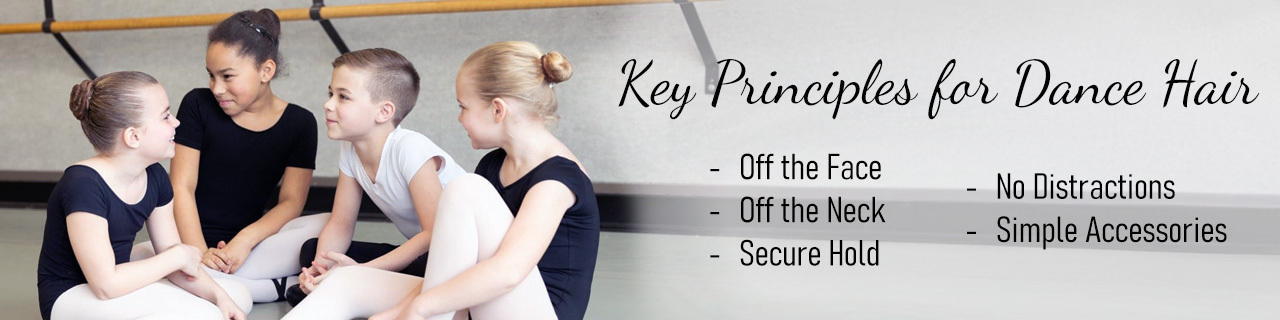
Off the Face: Hair should never interfere with vision or movement.
Off the Neck: Hair should be secured in a way that allows teachers to view posture and alignment.
Secure Hold: Use sturdy elastics, pins, and hair nets. Double up if needed to ensure hair stays in place all class long.
No Distractions: Neat hair helps dancers focus and feel confident.
Simple Accessories: Stick to essentials like hair ties, pins, nets, and gel. Crochet bun covers are great for class but should be avoided in performance settings. Save sparkly bows and oversized clips for dress up and performances.
Essential Hair Tools for Every Dancer
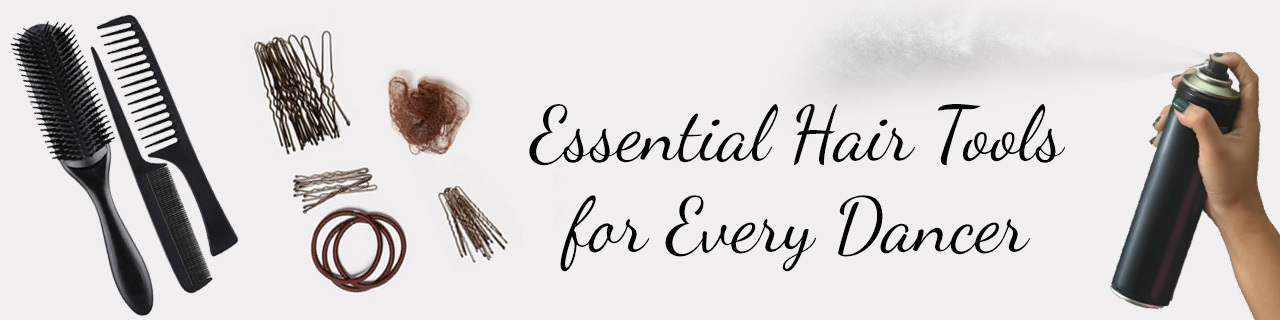
- Hair ties (fabric-covered, hair-colored)
- Bobby pins (closed pins for securing bangs, wispies, and loose ends)
- Hair pins (U-shaped open pins for anchoring buns and up-dos)
- Hairnets for buns
- Strong-hold hairspray or gel
- Comb or brush for smoothing
- Optional: bun maker or donut for younger dancers
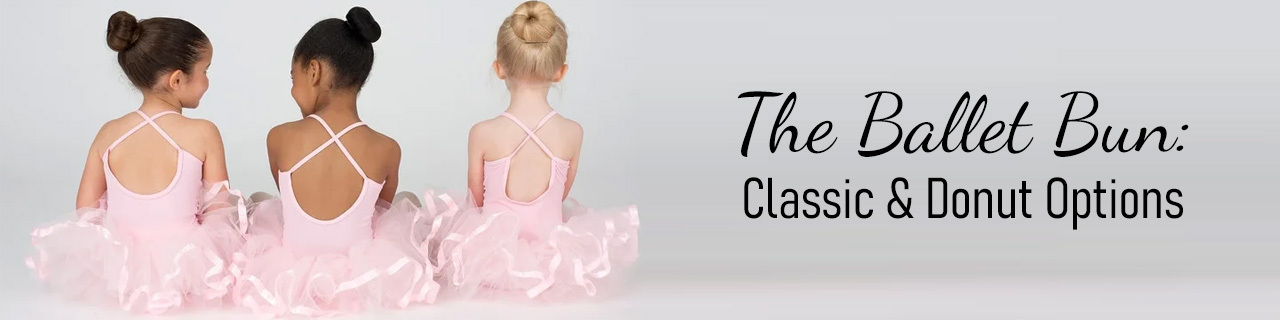
The Ballet Bun: Classic & Donut Options
The ballet bun is a foundational style for dancers—polished, functional, and essential in ballet classes and performances. It is also a versatile style that can be used for ballroom competitions and performances requiring a sleek polished look.
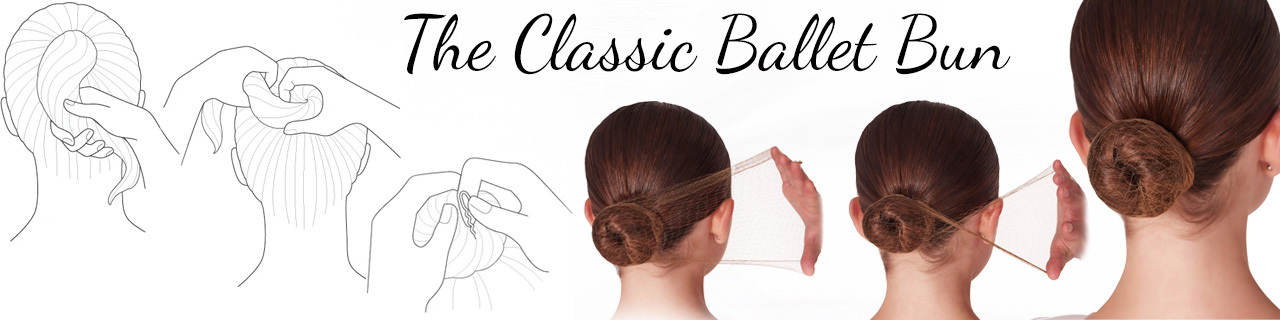
Classic Ballet Bun
Quick and elegant, this style creates the traditional ballet line.
Ideal for:
- Dancers with medium to long hair
- Dancers with medium to thick hair
How to Do It:
- Brush hair into a neat high or low ponytail.
- Twist the ponytail tightly and coil it securely around the base. Be sure to coil the same direction as your twist! If you’re twisting clockwise, wrap your coil in a clockwise direction.
- Secure with 3–4 sturdy U-shaped hairpins, pushing the pin half way in directly towards the scalp, then shift the pin angle 45° and press the remaining length of the pin in to create friction and avoid hair pins poking the scalp.
- Once your bun feels secure, cover it with a hairnet, tucking in stray hairs. Hairnets are large and are meant to be wrapped around your bun multiple times, twisting between wraps.
- Smooth fly aways with bobby pins, gel or hairspray.
Tip for dancers with extra-long hair: After it’s in a ponytail you can braid the loose hair instead of twisting and coil the braid.
Advanced Technique: Start pinning your bun as you wrap your coil, creating a flatter more secure bun.
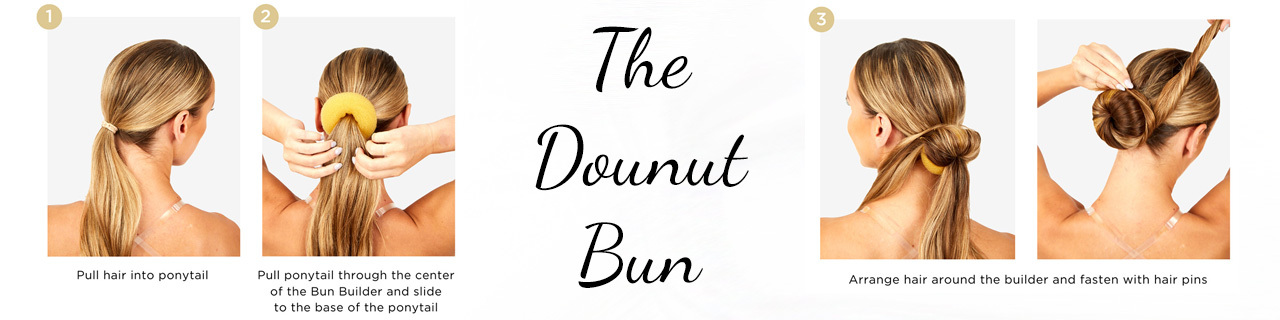
Donut Bun
Perfect for fine or shorter hair, using a bun donut adds bulk, creating a neat, round bun every time.
Ideal for:
- Dancers with short to medium length hair
- Dancers with thin to medium hair thickness
How to Do It:
- Brush hair into a neat high ponytail.
- Slide a hair donut over the ponytail, so it’s seated at the base near the hair elastic.
- Spread hair evenly around the donut, covering the bun builder.
- Once the hair is evenly spread over the donut, secure it with a second elastic around the base of the bun builder.
- Gently gather the ends at the base of the bun, then wrap and pin remaining hair around the base of the donut.
- Smooth fly aways with bobby pins, gel or hairspray.
Tip: If you have layers or fly aways that won’t reach the base of the donut, add a hairnet for extra hold and smoothness.
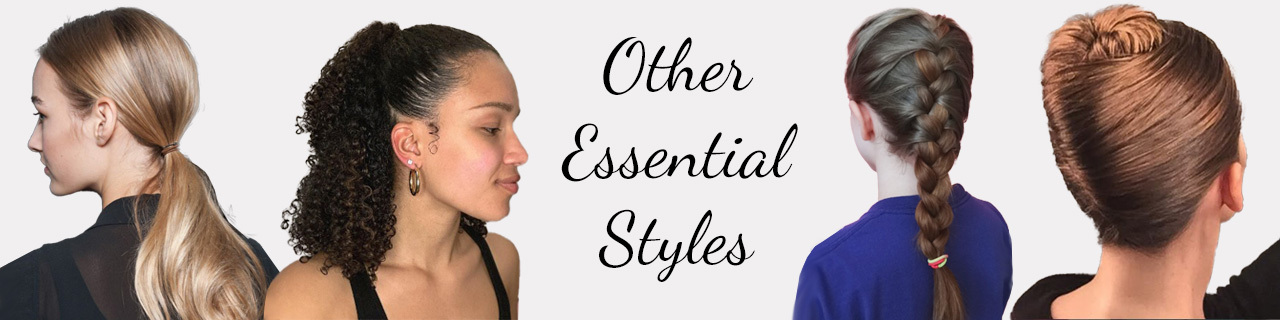
Other Essential Styles
French Twist
- Best for: Performances, recitals, and showcases needing a sleek, elegant profile. The iconic hairstyle of the Rockettes.
- How to:
- Part the hair deeply on one side
- Gather all your hair at the back of your head, as if you were going to make a low ponytail.
- Twist to create tension, then pull length upward as you continue to twist. This forms the vertical roll.
- Smooth the hair over the rolled hair, making the vertical line sleek and tight.
- Tuck ends under the rolled hair
- Secure with bun pins, pressing them halfway in towards the scalp then angling away and pressing the rest of the pin in to create friction and a secure hold. The pins should go up the entire length of the twist, hidden within the fold.
- Smooth any flyaways on the sides and top of your head using a comb and hairspray
- Tip: Adds a polished line, especially under tiaras or headpieces.
Ponytails & Braids
- Best for: Jazz, contemporary, tap, musical theatre, and young dancers in everyday class.
- Tip: French braids, Dutch braids, or high ponytails work for most hair lengths. Keep hair tight and use strong elastics to stay secure.
Half Up/Half Down
- Best for: Jazz, contemporary, tap, musical theatre.
- Tip: Pull hair back from just above the ears for a secure style, or from the temples for a more free flowing look. Use strong elastics to keep this style secure.
Chignon (Low Bun)
- Best for: Classical ballet roles, ballroom competitions, shorter hair, or formal recitals.
- How to: Follow Classic Ballet Bun instructions above, keeping the initial ponytail at the nape of the neck.
- Tip: Use a hairpiece if hair is very short.
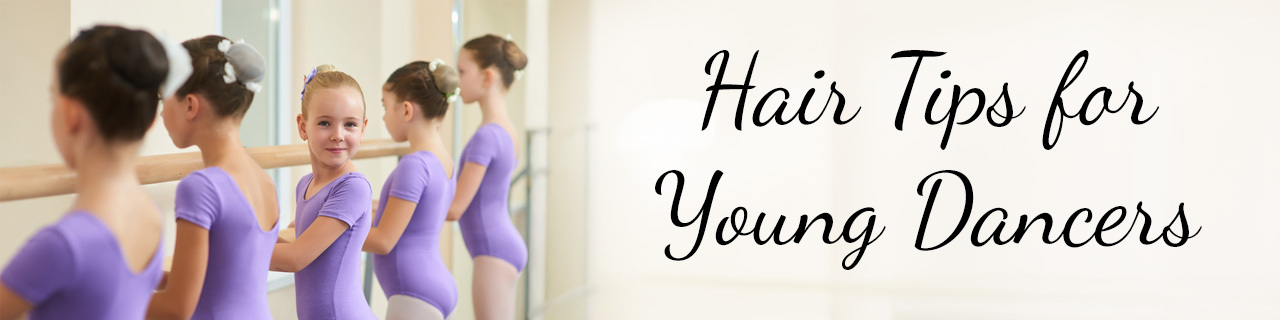
Hair Tips for Young Dancers
- Preparation is key: Ensure hair is tangle free! Use a wide tooth comb, start at the ends and work upwards, use a spray conditioner for stubborn tangles and knots.
- Dampen hair lightly: Easier to smooth and control.
- Use gentle styling products: Kid-friendly gel keeps flyaways under control.
- Practice at home or for class: Try bun or braid practice sessions before recital week to avoid stress.
- Comfort matters: Pins should not poke, and the style should be tight enough to hold but not uncomfortable.
Quick Fix for Littles: If a bun isn’t possible, secure hair back in a braided ponytail or neat headband style. Teachers mainly want hair out of the face, off the neck and secure.
Final Thoughts
A dancer’s hairstyle is part of their performance toolkit. Neat, secure hair builds confidence, helps maintain proper alignment, and ensures dancers can focus on their movement. With the right tools and a little practice, hair prep becomes easy—and even fun!
Share Your Look: Show us your dancer’s favorite hairstyle! Comment on our Instagram with a photo and #BarreBabble—you could be featured in our story post.