
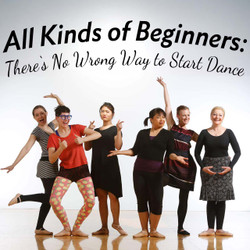
All Kinds of Beginners: There’s No Wrong Way to Start Dance
Posted by Angel P. on 15th Jul 2026
Walking into a dance studio for the first time—at any age—can come with a mix of excitement and nerves. Whether you’re a tiny dancer clutching new ballet shoes, a teen starting later than friends, or an adult stepping back into dance (or into it for the very first time), one thing is always true: everyone starts somewhere.
We meet dancers at every stage of their journey, and if there’s one thing we know for sure, it’s this: there is no single definition of a “beginner,” and there is no wrong way to begin dancing.
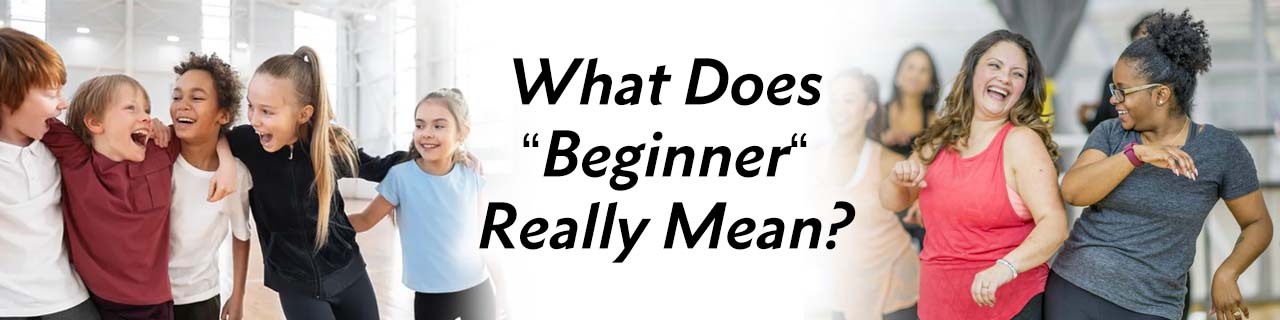
What Does “Beginner” Really Mean?
The word beginner covers a wide range of dancers, and that’s something worth celebrating.
Some beginners are:
- Young dancers learning how to stand in line, follow music, and point their toes
- Teens, possibly starting dance later than their peers
- Adults returning to dance after years away
- Adults trying dance for the first time as exercise, stress relief, or a creative outlet
- Dancers changing styles (a ballerina starting tap, or a tapper trying contemporary)
- Experienced dancers taking a fundamentals class as a refresher
Each of these dancers brings something different into the studio—and all of them belong there.
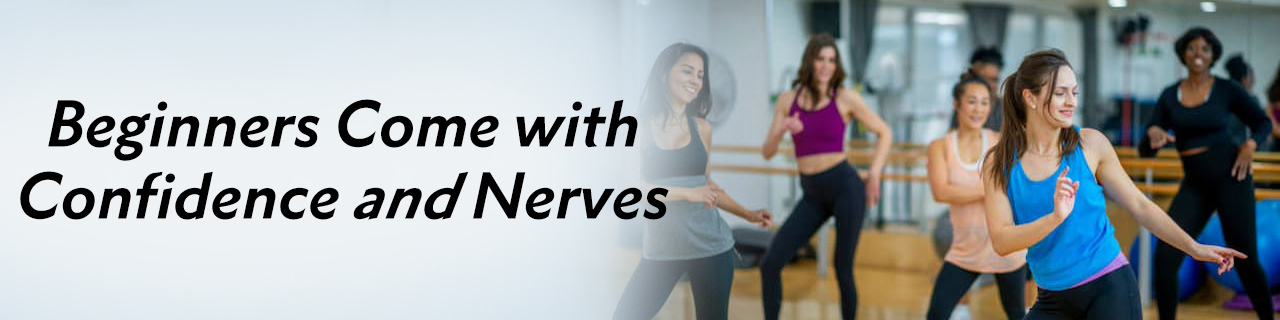
Beginners Come with Confidence and Nerves
Many beginning dancers—especially teens and adults—worry about:
- “Everyone else already knows what they’re doing”
- “I won’t pick it up as fast”
- “What if I look awkward?”
- “Am I too old to start?”
- “What should I expect at the first class?”
These feelings are completely normal. Dance asks you to be vulnerable: you’re learning new movement, coordinating your body, and doing it in a room full of people. That takes courage.
What often gets overlooked is that everyone in the room is learning something, even if it looks effortless from the outside. Some dancers are building kinesthetic awareness while learning steps, others are refining technique, and others are rebuilding confidence.
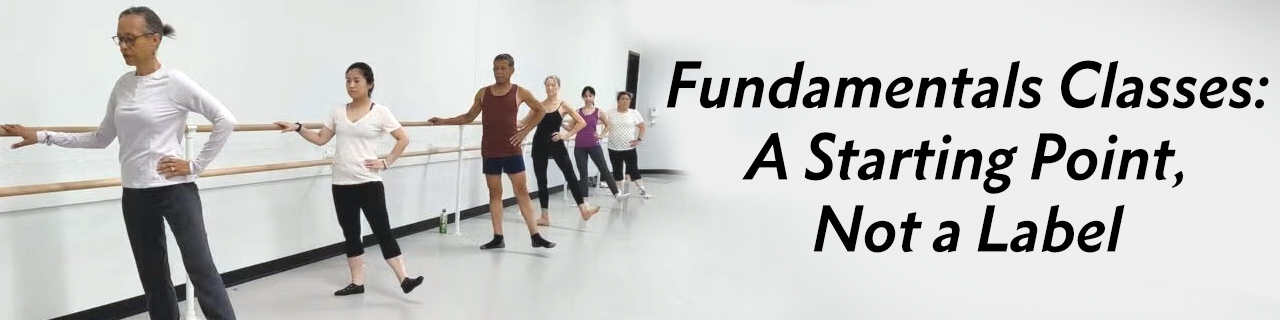
Fundamentals Classes: A Starting Point, Not a Label
Many studios now offer fundamentals classes, and they serve different purposes depending on the dancer.
For some, a fundamentals class is:
- A true starting point for those with no prior dance experience
- A low-pressure way to try dance before committing to a level
- A refresher course after time away
- A confidence-building class before moving into beginner or intermediate levels
For younger dancers, fundamentals are simply part of the class curriculum. For adults, they’re often a gift—time and space to learn without comparison, judgment, or rushing ahead.
No matter how a studio uses them, fundamentals classes exist to support dancers, not rank them.
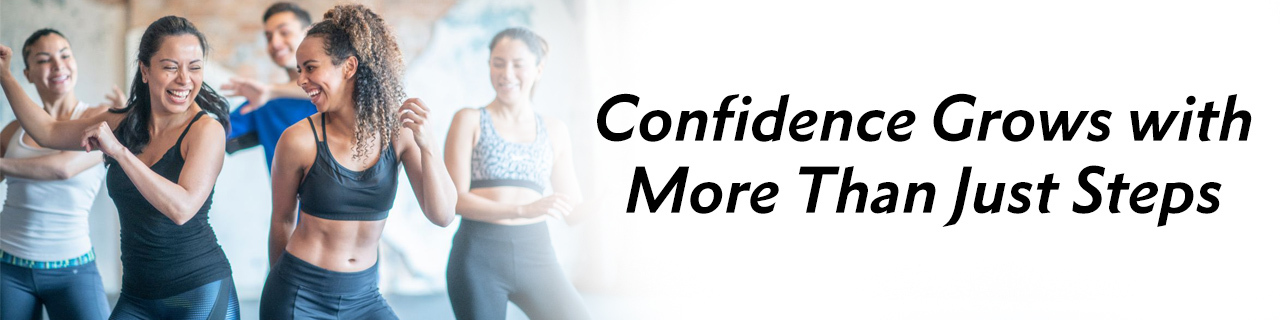
Confidence Grows with More Than Just Steps
While learning basic technique is important, confidence in dance doesn’t come from memorizing combinations alone.
Confidence also comes from:
- Feeling comfortable in your body
- Wearing attire that allows you to move comfortably
- Knowing what to expect in class
- Feeling supported by teachers, classmates, and your dance community
What you wear can play a surprisingly big role. The right shoes, supportive dancewear, and properly fitted attire can make movement feel easier—and when movement feels easier, confidence follows.
If you’re unsure what to wear for your first class (or your tenth), that’s exactly what we’re here for. Our team helps dancers of all levels feel prepared, comfortable, and confident—without pressure or judgment.
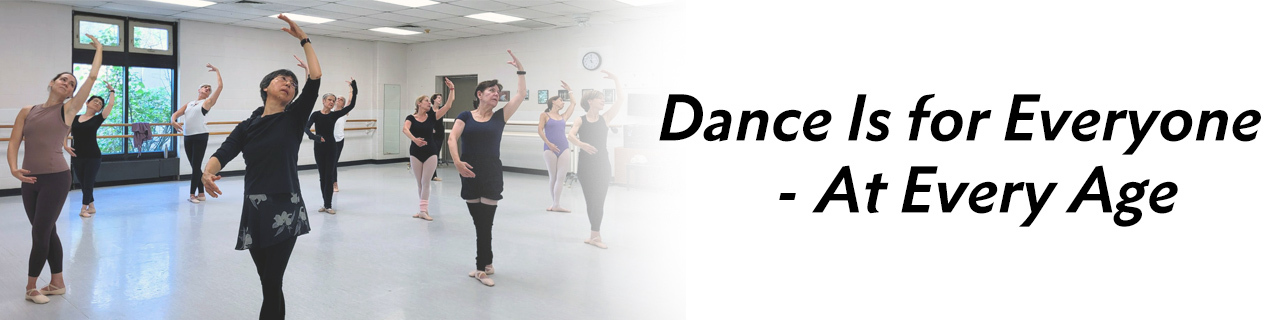
Dance Is for Everyone—At Every Age
We love seeing adults rediscover dance after college or a fondly remembered childhood class, parents stepping into class alongside their children, and seniors exploring movement for strength, balance, and joy. Dance isn’t reserved for one age, one body type, or one background.
Starting later doesn’t mean starting behind. It simply means starting with a different perspective—and that perspective is valuable.
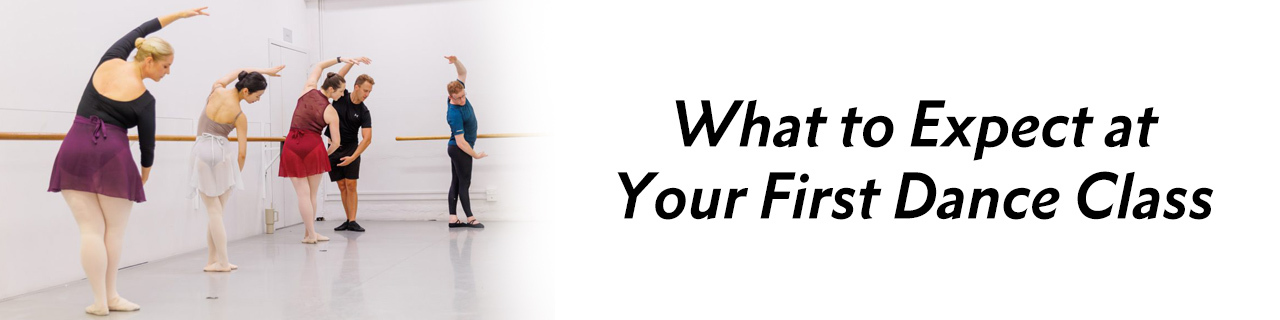
What to Expect at Your First Dance Class
What to Expect in Your First Dance Class
Each studio has its own atmosphere and expectations, but most classes follow a similar structure. Knowing what to expect can help ease nerves and allow you to walk in feeling more confident and prepared.
Here’s a general flow of what your first class might look like:
- Find a class that fits your schedule.
Choose a class and time that works for you and sign up with the studio. Many studios offer a free trial class, which is a great way to get started without pressure. - Wear comfortable, movement-friendly clothing.
You don’t need the “perfect” outfit right away. Choose something you can move in comfortably. For ballet, more form-fitting clothing is helpful so instructors can see your alignment, but most studios are flexible when you’re just starting out. - Arrive early.
Plan to arrive 5–10 minutes before class. This gives you time to check in, ask questions, and find the correct studio space without feeling rushed. - Change into appropriate footwear.
Switch out of your street shoes before entering the studio. If you don’t have dance shoes yet, many studios allow thin socks for your first class so you can try it out before committing. - Warm-up.
Class will begin with a warm-up to gently get your body moving and muscles ready. Ballet classes typically warm up at the barre, while other styles begin in the center of the room. - Water break.
After warm-up, there’s usually a quick break. Bring a water bottle—hydration matters! - Technique and combinations.
This is the main portion of class: - Ballet: You’ll move away from the barre and repeat foundational movements, often adding small jumps.
- Jazz, Tap, Contemporary: You’ll work on technique, learn new steps, and possibly start a short combination.
- Across the floor.
You may be asked to travel across the room in small groups, practicing simple combinations that build coordination and confidence. - Cool down or reverence.
Class typically ends with a cool down, stretching, or (in ballet) a reverence. This helps your body recover and gives you a moment to reflect—you did it!
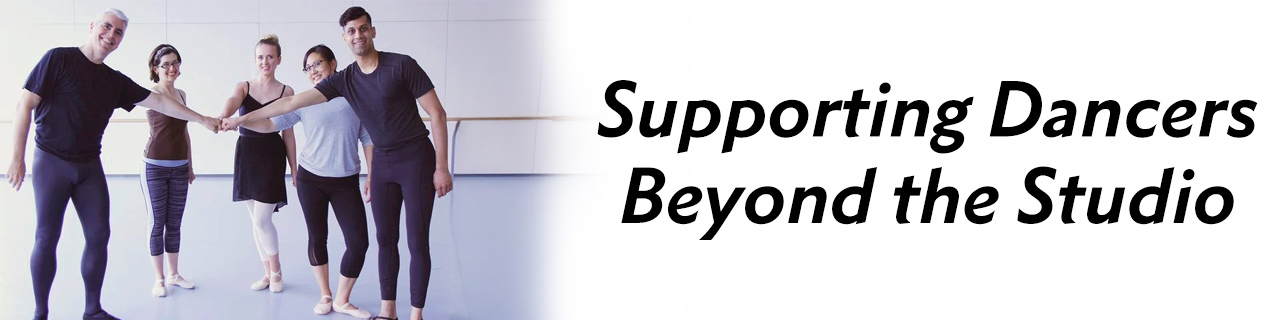
Supporting Dancers Beyond the Studio
Dance doesn’t exist in isolation, it’s a community. A strong dance journey is supported by:
- Encouraging teachers
- Supportive classmates
- Inclusive studios
- Access to the right gear
- A community that reminds you that you belong
On our website, we proudly share a list of studios in our area that offer adult dance classes, because finding the right environment that fits your personality and aspirations, matters just as much as learning the steps.
Final Thoughts
There is no timeline you must follow, no age cutoff, and no “correct” way to begin dancing. Every dancer’s path looks different—and that’s what makes the dance world so rich.
If you’re just starting out, restarting, or simply exploring something new, know this: you belong in the studio. And we’re here to support you every step of the way—on the dance floor and beyond.
If you have questions about class attire, shoes, or where to begin, feel free to reach out or stop by. One of our team members will be happy to help you on your dance journey—wherever it starts.