
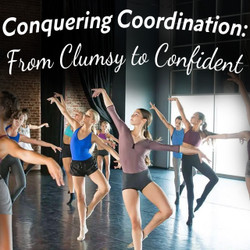
Conquering Coordination: From Clumsy to Confident
Posted by Angel P. on 21st May 2026
Coordination is a skill every dancer can improve—no matter your age or experience level. Strong coordination not only makes movements easier and more fluid but also increases balance, reduces tension on joints, and improves overall confidence in class and on stage. Better coordination also enhances learning, memory, and even cognitive function, making it a brain-boosting as well as body-strengthening practice.
Improving coordination involves three key elements: Timing (the sequence and speed of your movements), Orientation (knowing where your body is in space and maintaining balance), and Manipulation (organizing your body parts to move with the right effort and precision). When you train with these elements in mind, movements feel more natural, balanced, and effortless.
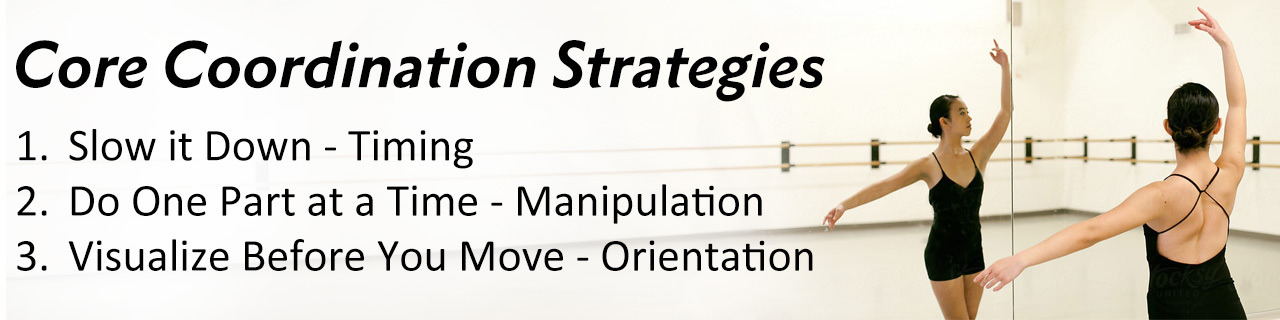
Core Coordination Strategies
- Slow it Down – Timing
Learning movement is meant to challenge you. Slowing down movement allows your brain and body to communicate more clearly. You can focus on the sequence, pathways, and rhythm without tension. Repeat the movement slowly until you feel confident. Once you establish clarity, speed naturally follows, making your timing precise. - Do One Part at a Time – Manipulation
Complex movements often involve arms, legs, torso, and head simultaneously. Instead of attempting everything at once, isolate each component. Practice arm and upper body pathways while your legs remain simple or even still, then switch to footwork while your hands rest on your hips. Once each part feels smooth, combine them (slowly) into one coordinated movement. This builds precise manipulation and control. - Visualize Before You Move – Orientation
Picture the movement in your mind before performing it. Imagine where it starts, its path through space, and how it finishes. Dancers sometimes refer to this as “marking it” and will make small physical movements to reinforce their mental practice. Visualization helps improve orientation—your awareness of body position, balance, and alignment—which makes movements smoother, safer, and more graceful.
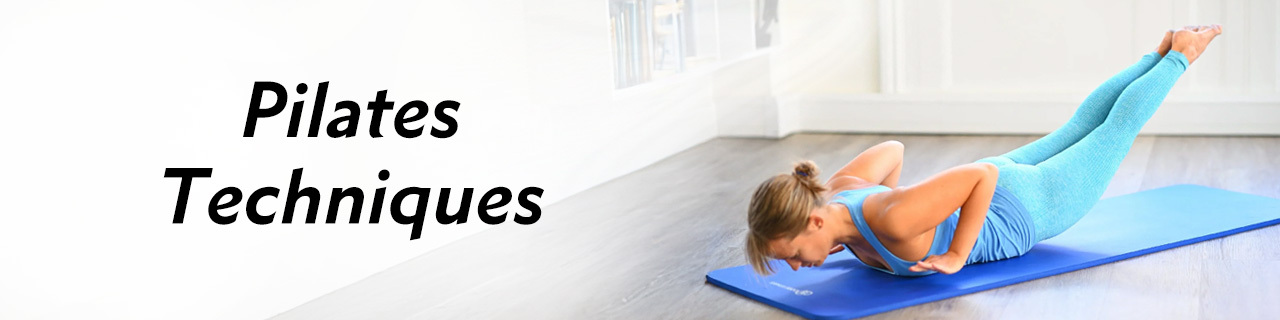
Pilates Techniques
Pilates strengthens the core, known in the discipline as the "powerhouse" (deep abdominals, back muscles, and pelvic floor), providing stability for turns, jumps, and lifts.
- The Roll Down/Roll Up: Improves spinal mobility and strengthens the abdominals, helping maintain better posture, while improving alignment.
- Clam/Side-Lying Leg Series: Targets deep external hip rotators to enhance turnout in ballet and other styles.
- Single Leg Stretch/Double Leg Stretch: Engages the core while moving limbs, increasing coordination and control.
- Leg Circles: Builds hip joint stability for higher, more controlled leg extensions.
- Swan Dive: Strengthens the back muscles, improving arabesque and back extensions.
- Breathing: Proper breathing is essential for deep muscle engagement and stamina.
These exercises build kinesthetic awareness, reinforcing timing, orientation, and manipulation by training precise, controlled movements while engaging multiple muscle groups.
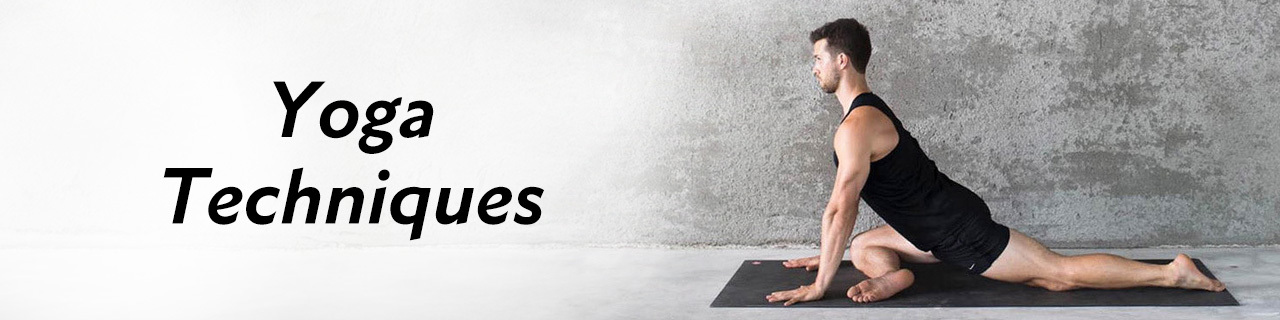
Yoga Techniques
Yoga enhances flexibility, balance, and mental focus, making it an excellent complement to dance training.
- Mountain Pose (Tadasana): Establishes posture, alignment, proper weight distribution, and proprioception.
- Tree Pose (Vrikshasana): Improves single-leg balance and ankle stability, crucial for pirouettes.
- Dancer’s Pose (Natarajasana): Challenges balance while opening shoulders, chest, and hips, mimicking an arabesque.
- Downward-Facing Dog: Strengthens shoulders and stretches hamstrings and calves.
- Pigeon Pose (Eka Pada Rajakapotasana): Releases deep hip tension, enhancing turnout and flexibility.
- Warrior II (Virabhadrasana II): Builds lower-body strength and stability for controlled landings and extensions.
- Boat Pose (Navasana): Strengthens core and back for an upright, stable frame.
Yoga also improves body awareness and orientation, allowing dancers to move with confidence and grace.
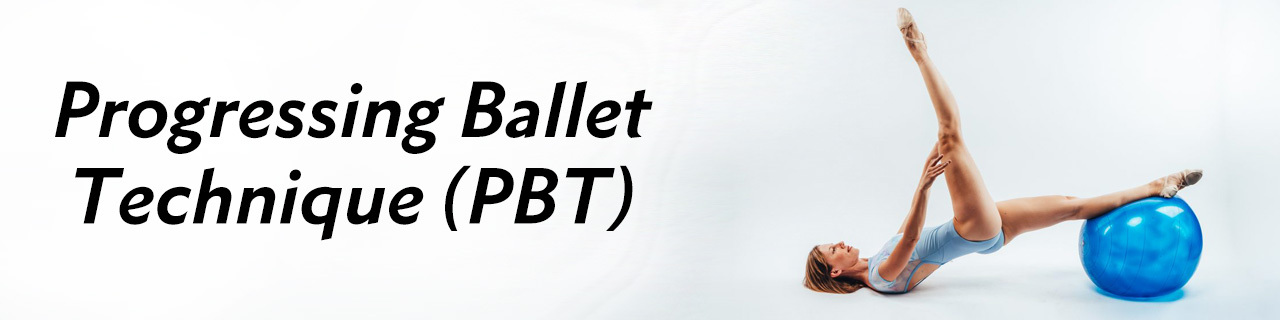
Progressing Ballet Technique (PBT)
PBT focuses on isolating muscles, improving alignment, and enhancing overall body control. Using props, resistance bands, and targeted exercises, PBT strengthens stabilizing muscles, engages the core, and trains your body to move with precision and confidence.
- Twinkle Toes: This exercise targets the glutes, back, and inner thighs, building core stability and total-body control. Perform slowly, focusing on alignment and lengthening through your hips and torso.
- Balance with Spot Training: Enhances turning confidence by activating deep core muscles and improving spatial awareness. Practice controlled turns while keeping your gaze focused and your body centered.
- Controlled Ball Movements: Hold a small ball between your legs while bending, twisting, or stretching. This challenges coordination between your lower body and core while promoting precision and controlled movement.
- Single-Leg Stability Work: Lift one leg while maintaining proper hip alignment and engaging the core. This builds balance, control, and deep muscle activation, similar to single-leg Pilates exercises.
Incorporating PBT exercises into your training reinforces the three key elements of coordination—timing, orientation, and manipulation—helping your movements feel smoother, more balanced, and effortless.
Additional Coordination Tips for Dancers
- Warm Up Strategically: Always start with stretches and gentle movements to activate key muscle groups.
- Practice Repetition: Repeating movements slowly and mindfully reinforces neural pathways for coordination.
- Use Mirrors and Feedback: Mirrors, videos, or teacher feedback help improve alignment, timing, and orientation.
- Strengthen the Whole Body: Full-body strength supports precise, coordinated movements. Remember if you practice something on one side, be sure to repeat on the other to keep muscle strength even between right and left sides.
- Combine Exercises: Try integrating Pilates, yoga, and PBT exercises to challenge your coordination in multiple planes of movement.
Remember, coordination is a skill—not an innate talent. Consistent, mindful practice leads to smooth, confident, and expressive movement.
Final Thoughts
Coordination transforms clumsy or hesitant movements into graceful, confident motion. By focusing on timing, orientation, and manipulation, and combining Pilates, yoga, and PBT exercises, dancers can enhance body awareness, confidence, and overall performance. Whether you’re a beginner or a seasoned performer, improving coordination makes learning choreography easier, dancing more enjoyable, and helps prevent injury.