

Let Dry, Last Long: Become a Master of Pointe Shoe Care
Posted by Angel P. on 7th Apr 2026
Pointe shoes are an essential tool for ballet dancers, but without proper care, they can wear out quickly. Whether you're a beginner or a seasoned dancer, knowing how to extend the lifespan of your pointe shoes will save you money and keep your feet supported. At Linden's Dancewear, we understand how important it is to get the most out of your shoes. Follow these tips to protect your investment and keep your pointe shoes in top condition:
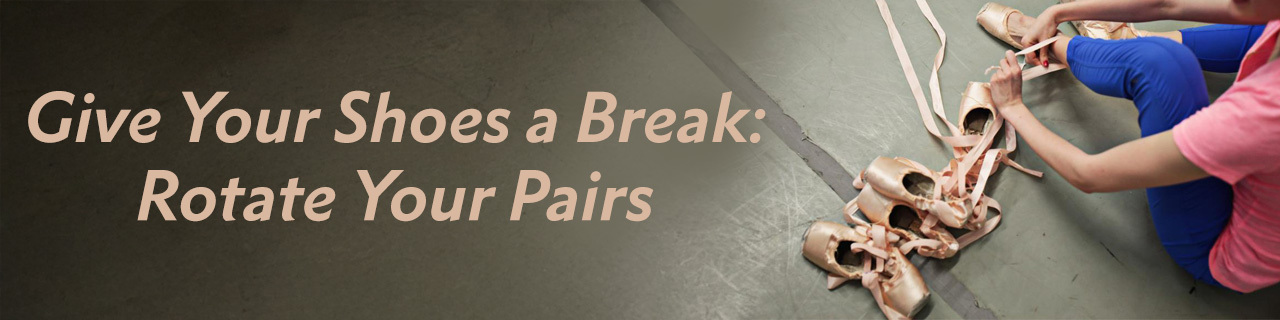
Give Your Shoes a Break: Rotate Your Pairs
Wearing the same pair of pointe shoes day after day puts them under constant stress. Dancers who wear their shoes multiple times a week should rotate between at least two pairs to extend their lifespan. This allows each pair time to fully dry out between uses, preventing excessive breakdown from moisture and wear. If you're dancing frequently or have long rehearsal days, consider adding more pairs to your rotation to evenly distribute the pressure and give your shoes a longer life.
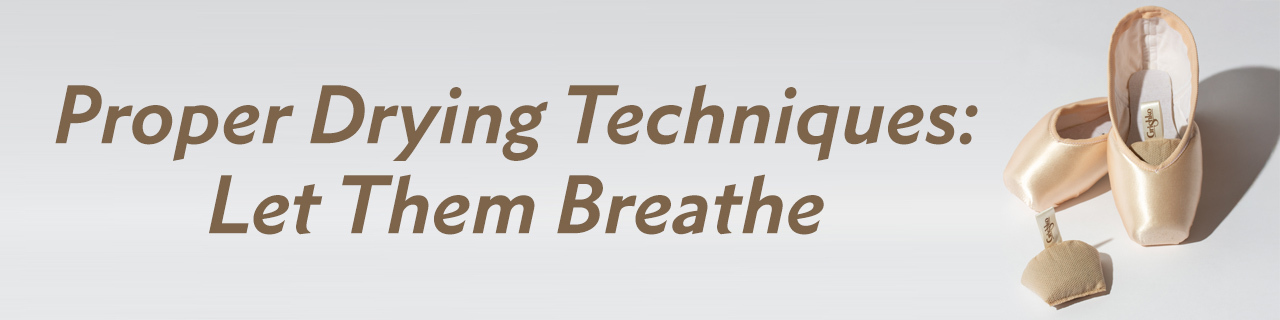
Proper Drying Techniques: Let Them Breathe
Moisture is one of the biggest culprits behind rapid pointe shoe deterioration. Pointe shoes are made from a combination of cardboard, burlap, satin, natural materials, and a special glue called ‘paste’. Sweat and moisture weaken the structure of the shoes, causing the box and shank to soften too quickly, leading to a rapid death. To combat this:
- Remove pointe shoes from your dance bag immediately after class.
(Tying the ribbons together and hanging them outside your dance bag until you get home is even better!) - Store your pointe shoes in a breathable mesh bag and NEVER in a sealed plastic one.
- Never store your toepads inside your shoes!
- Let your shoes dry separately-Don’t store one shoe inside the other for at least 48 hours after wear.
- Let them air-dry flat in an open space, away from direct heat or sunlight, which can cause warping.
- Consider using moisture-absorbing inserts, like cedar sachets or pointe shoe dryers to help wick away sweat.
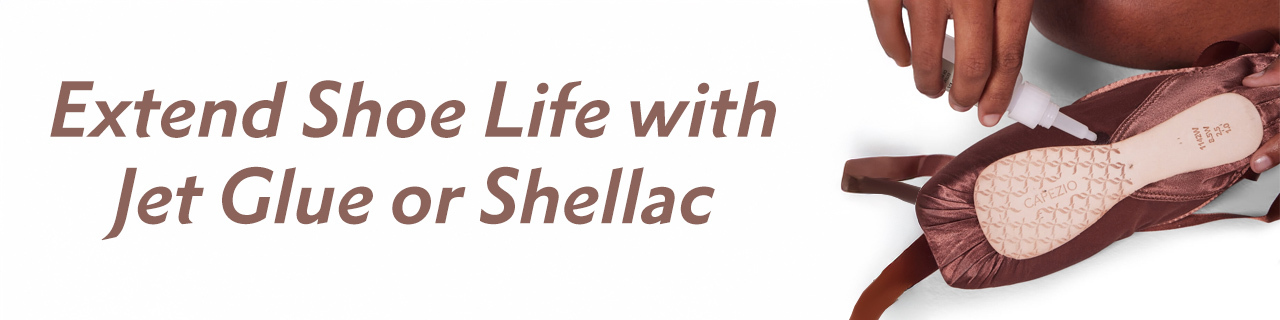
Extend Shoe Life with Jet Glue or Shellac
Jet glue is a dancer’s secret weapon for prolonging the life of pointe shoes. Applying a small amount of jet glue to the inside of the toe box and shank can help harden and strengthen these areas, preventing premature breakdown. Shellac, a natural alternative derived from tree resin, offers a similar effect but can be layered more gradually for a customized level of support. Some dancers prefer shellac because it allows for more control over the hardening process and provides a slightly more flexible reinforcement. Both options can help slow the softening process, extending their life and keeping your shoes in performance-ready condition.
Not sure which to choose? Check out our previous blog post, Jet Glue vs. Shellac: Find the Perfect Pointe Shoe Reinforcement, for more detailed advice on which glue to use and how to apply it. Here’s how to reinforce your shoes effectively:
- Apply a thin layer inside the platform, box, and shank.
- Allow the Jet Glue or Shellac to dry completely before wearing the shoes again.
- Reapply as needed, focusing on areas that feel too soft.
- Remember – A little goes a long way! Opt for multiple thin coats so you don’t accidentally turn your shoes into bricks (especially important when using jet glue)
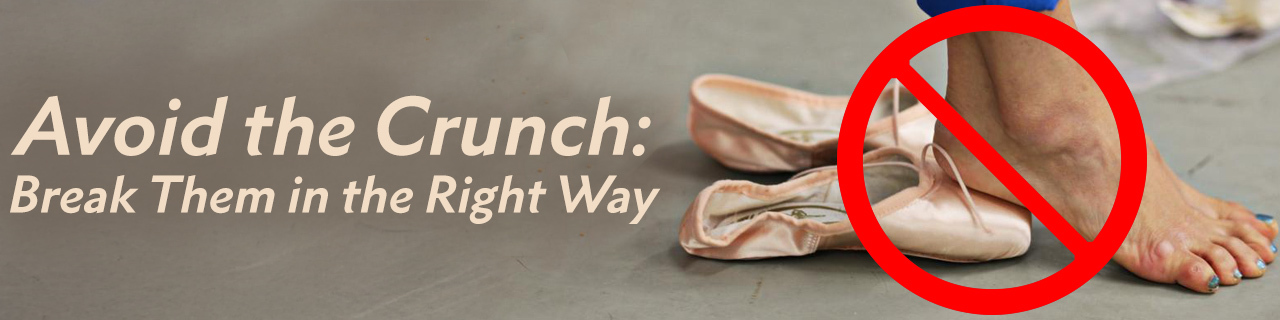
Avoid the Crunch: Break Them in the Right Way
Improperly breaking in your pointe shoes can drastically shorten their lifespan. Many dancers make the mistake of forcibly bending the shank or crushing the toe box, weakening the shoe’s structure and leaving you unsupported.
It’s important to note that the age-old tradition of ‘breaking in’ your shoes doesn’t mean literally breaking them. Some dancers mistakenly think they need to hammer their shoes against walls, close them in doors, or stand on them to soften them up. This does more harm than good. Pointe shoes need a delicate balance of strength and suppleness to perform correctly, and this balance is disrupted when the shoes are bent or abused before wearing.
Remember – Anything you do to manually manipulate your shoes is causing them to deteriorate and “killing them”.
Instead:
- Let your feet do the work—wearing the shoes during barre exercises naturally molds the shoe to your foot in the right places and strengthens your feet.
- If your shoes have a tendency to break low, you can gently bend the shank at the “3/4” point (where your heel meets your arch). Depending on your fit and shank, this can help tuck the shoe into your arch, allowing the shank to hug the line of your foot, encouraging optimal support.
- Roll through demi-pointe repeatedly to gradually shape the box and platform. Once you feel the shoe begin to relax, you can stop and continue the break-in process by wearing them for class and rehearsal.
By dancing in them, your pointe shoes will naturally soften, mold to your feet and break in, just as they are meant to. If you've been fitted correctly and work through your feet, there’s absolutely no need for forceful manipulation. Letting the shoes break in through dancing will extend their lifespan, saving your time and money.
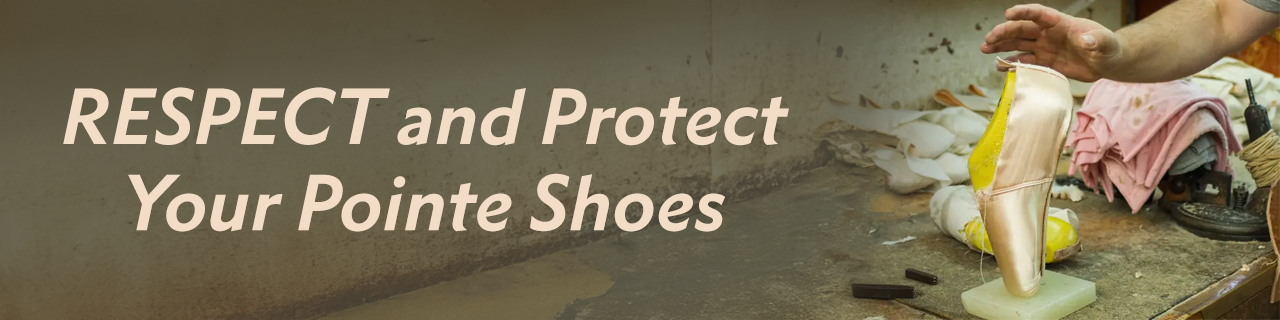
RESPECT & Protect Your Pointe Shoes from Damage
Pointe shoes are handmade works of art, taking several hours per shoe to craft — treat them with the respect they deserve.
- Avoid tossing them carelessly into your dance bag, where they could get crushed under heavier items or accidentally soaked by an uncapped water bottle.
- Let them dry at least 24 hours between uses.
- If possible, store them flat or slightly elevated to maintain their shape.
- Transport them in a breathable mesh or fabric bag.
- Keep them out of reach of your furry family members – pointe shoes smell “great”, making them attractive, but expensive chew toys for doggies.
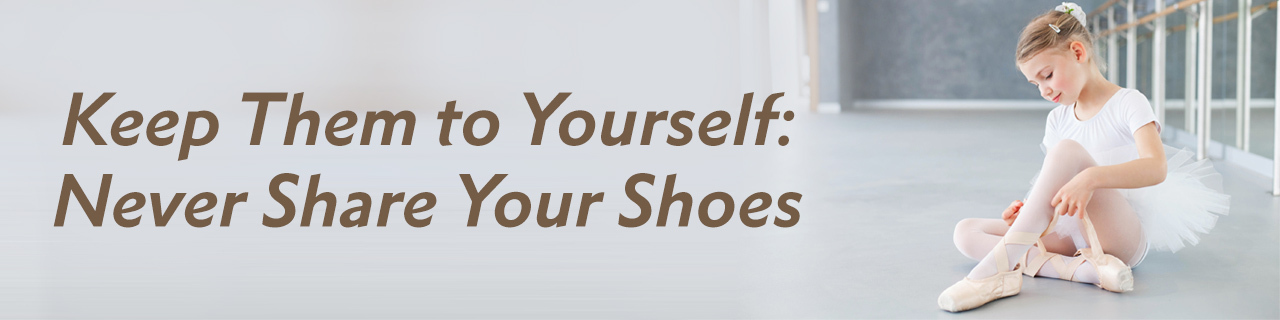
Keep Them to Yourself: Never Share Your Shoes
Pointe shoes are carefully and uniquely fitted to your feet, making them a personal item that should never be shared. We know that when friends see your pointe shoes, the first question is often, "Can I try them on?" While it’s hard to say no, remember that pointe shoes aren’t like regular sneakers. Each pair is custom fitted to your unique foot shape, including the type, size, width, vamp, strength, and style of the shoe, all carefully chosen by you and your fitter.
When someone else—especially someone with wider, bigger, or stronger feet—tries on your shoes, it can irreversibly affect their shape. While it’s fine to let your friends admire your shoes or even hold them (remember to ask them not to bend them!), they should never wear them. Pointe shoes are made for your feet only. So, keep your shoes to yourself and encourage friends to make an appointment for a fitting.
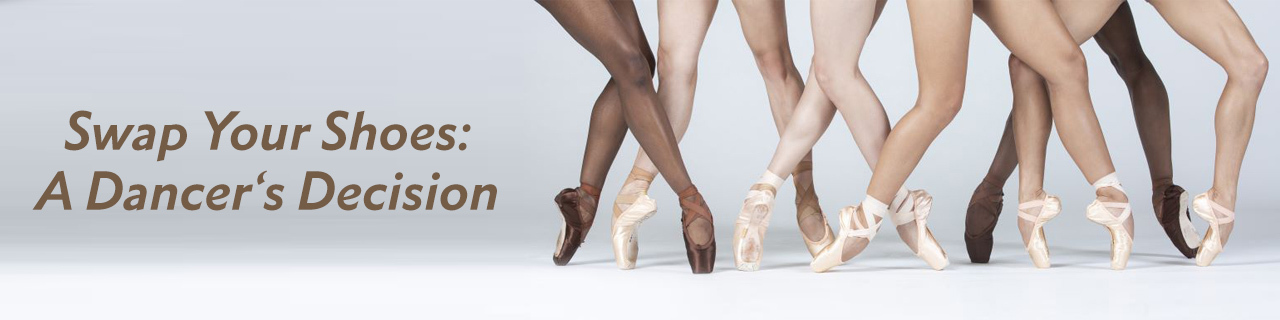
Swap Your Shoes: A Dancer’s Decision
Most dancers have strong preferences when it comes to how their pointe shoes wear in, but one tip worth considering is swapping shoes between your feet. Since pointe shoes aren’t designed with a specific ‘Left’ or ‘Right’ foot, rotating shoes from one foot to the other can help work different parts of the shoe. This is especially beneficial if one foot is stronger than the other, as it can prevent one shoe from breaking down faster than the other.
Some dancers prefer to keep one shoe for each foot, allowing the shoes to mold to the unique shape of each foot over time. Both methods are perfectly valid, but if you’re looking to extend the lifespan of your shoes and one shoe tends to die faster than the other, experimenting with swapping shoes could be a great way to get more use out of each pair.
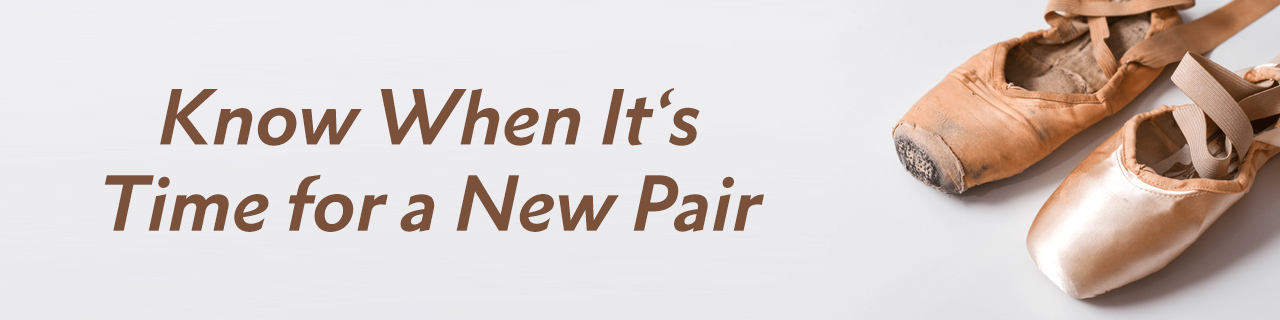
Know When It’s Time for a New Pair
Even with the best care, pointe shoes have a limited lifespan. Watch for these signs that it’s time to replace them:
- The toe box feels too soft and no longer supports your foot.
(This may make your shoe feel too small because you’re “sinking” in it.) - The shank has broken down and no longer provides support.
(This may feel like you’re going too far forward or are wobbly when en pointe) - The platform becomes too worn, making it difficult to balance.
(If you press on the outside tip of your shoe and it feels “squishy”) - You experience increased foot pain or instability while dancing.
If your pointe shoes start causing discomfort, don't ignore it! Visit your fitter immediately to assess whether your shoes need to be replaced or if a new fitting is required to prevent injuries and ensure comfort and performance.
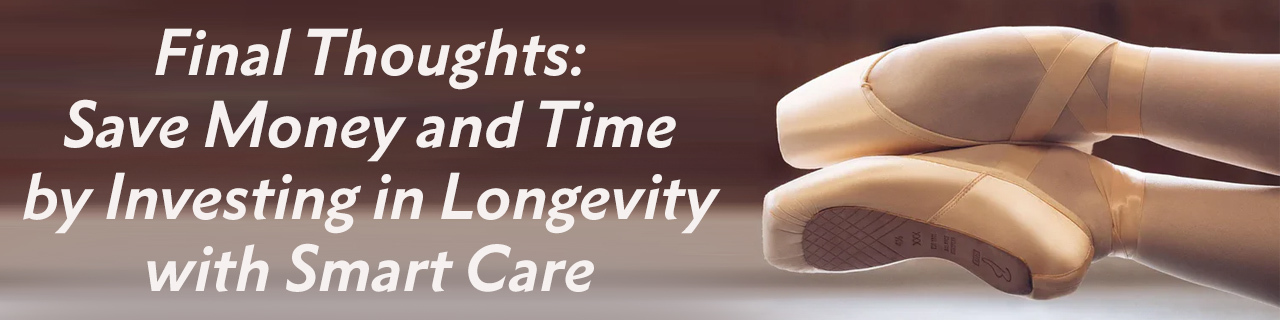
Final Thoughts
Proper pointe shoe care not only extends their lifespan but also protects your investment, enhances your performance, and keeps you safe. By rotating between pairs, keeping them dry, reinforcing with jet glue or shellac, breaking them in correctly, storing them properly, never sharing, and even experimenting with swapping right and left shoes, you can maximize their durability. At Linden’s Dancewear, we’re here to support you through every stage of your dance journey. With over 4,500 pairs of pointe shoes in stock and more than 40 styles available, we’re proud to offer one of the largest pointe shoe selections in the region. Whether it’s your first pair or your tenth, we’re committed to helping you find the right fit.
Schedule a personalized pointe shoe fitting with our Pointe Shoe Expert today to ensure your first pair supports your technique and matches your unique foot shape. You can book your fitting or learn more by visiting us in-store. We look forward to helping you take that first step en pointe—prepared, confident, and ready to dance.
Want more dancewear tips? Follow Barre Babble for expert advice on making the most of your gear!